Early Edge has worked for more than two decades with policymakers and partners across the state to provide all California families with access to free, high-quality preschool. We were an early partner in advocating for the creation of Transitional Kindergarten (TK), a free, high-quality preschool option launched in 2010 and made available to children by date of birth, rather than income eligibility. We continued to advocate for the program over the years, and in 2021, we helped secure investments in California’s 2021-2022 state budget to expand TK into a universal preschool program. As the state ramped up its implementation efforts to expand TK across all regions of California over the last 3 years, Early Edge has advocated annually for investments in the state budget and for policy advancements to ensure TK rolls out successfully and equitably. With the start of the 2025-2026 school year, California completed its expansion of TK so that now all children turning 4 before or by September 1st can enroll—making it the largest universal preschool program in the nation.
Early Edge also actively engages in supporting the state’s efforts to develop a Universal PreKindergarten (UPK) system to engage families with 3- and 4-year-old children around the diverse array of preschool options available to them, and to support providers in delivering these high-quality programs which include TK, the California State Preschool Program, Head Start, and other child care settings.
California has made historic advances in the last 15 years to strengthen its Early Learning and Care system through its investments in expanding TK and UPK. Early Edge will continue to work with partners and state leaders to ensure universal TK is high-quality and supportive of all students’ needs, and we will continue to identify the most impactful opportunities to support expansion of UPK across our state’s Early Learning and Care system to support the unique needs of all California families.

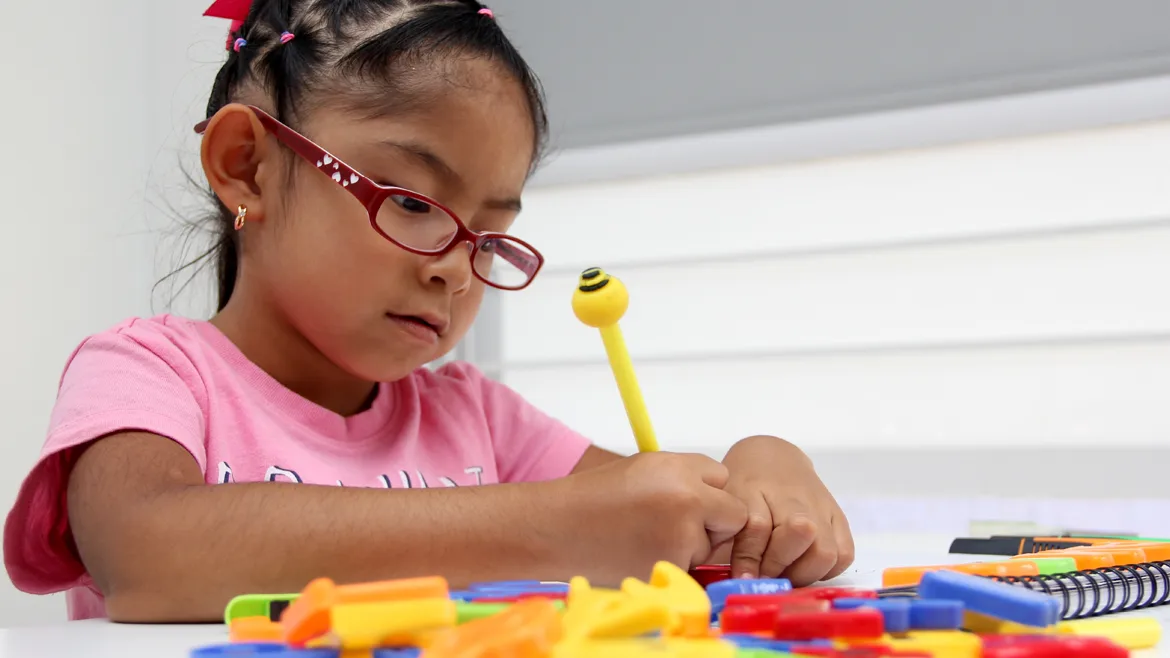
“Quality learning means that my child has a place to go and learn. TK is not only providing her with the learning skills she needs to prepare her, but it’s also preparing her for the future. It’s giving her the confidence to be able to meet all her needs. I would recommend TK for everyone and this is the best time in a child’s life because they are like little sponges absorbing it all in.”
— Iesha Foster, Compton Unified School District
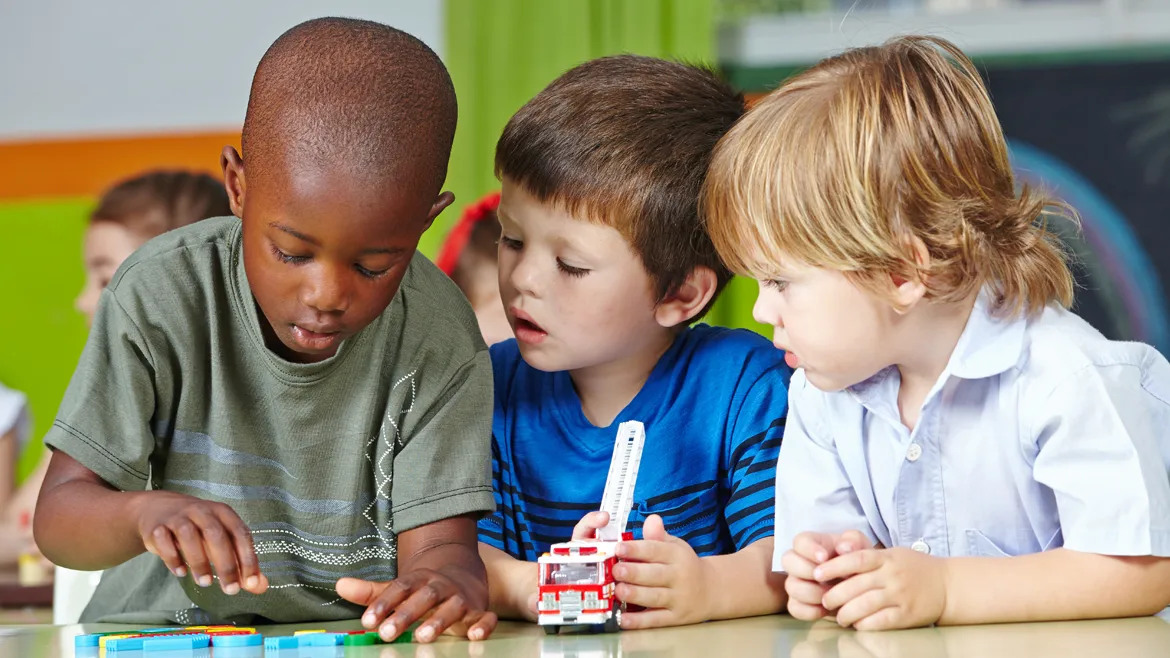
“My son is thriving [in Kindergarten]…my son finished TK reading and writing…it was through play, through interactive activities…Not only is it academics that is very important for me, but it’s the whole child, and seeing my child excel in friendships, socially, and then being seen as a mentor within his peers, it means a lot, and that’s thankfully to the TK program he attended.”
— Michelle Galindo, Chula Vista Elementary School District
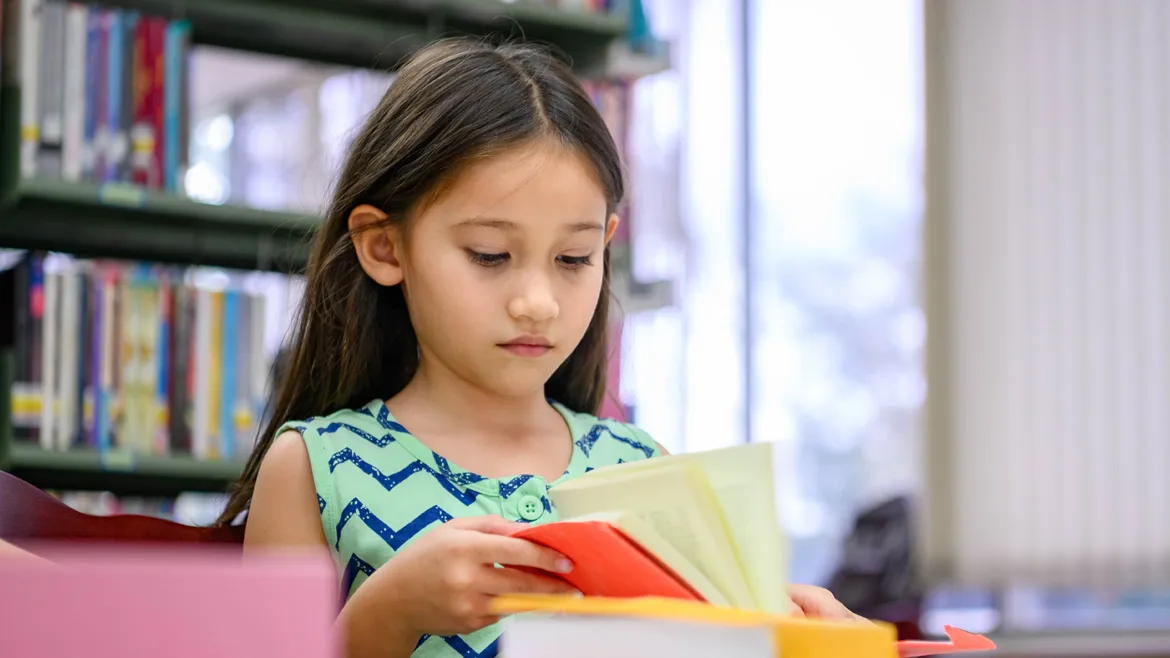
“The more languages you know, the better off you are. To find a school where she can get those academic skills and practice her Armenian — me and my husband were beyond grateful. We hit the jackpot. We feel like she’s very well prepared [for Kindergarten].”
— Karina Galustians, Los Angeles Unified School District parent of child in a Dual Language Immersion TK program
All children have access to high-quality, free or affordable preschool options within California’s mixed-delivery Early Learning and Care system that meet their unique needs and prepare them for kindergarten and beyond.
California must ensure that the implementation of universal preschool (UPK) is high-quality and incorporates developmentally appropriate practices across the mixed-delivery system. Here are the priority actions we’re currently advocating for to make this a reality:
FCCH providers are a vital part of California’s mixed-delivery system, offering home-based environments, smaller adult-to-child ratios, and culturally and linguistically affirming care. Many FCCHs face barriers to participating in FCCHENs, which provide training, coaching, mentorship, and shared resources to improve quality and sustain their businesses. Broadening access to FCCHENS will give more providers resources and support, expand high-quality UPK opportunities for families, and strengthen the mixed-delivery system.
In 2024, AB 2268 was signed into law, exempting TK from using the English Language Proficiency Assessment of California (ELPAC) to identify children as English learners, as it was not developmentally or age appropriate. In addition, $10M was allocated in the 2025-26 state budget for the selection and adoption of a developmentally appropriate ML screener in TK. Implementing the ML screener is critical to accurately identifying multilingual learners and providing targeted support that strengthens both their home language and English development.
Many families with 3- and 4-year olds still do not fully understand the array of programs available, including vouchers, California State Preschool Program (CSPP), Head Start, and Transitional Kindergarten (TK).⁸ Intentional communication and outreach are needed to connect families with programs that meet their needs and the developmental needs of their children. When families have access to this critical information, they can make informed decisions that support their children’s learning and growth.
Learn more about all our policy priorities in our 2026 policy agenda.
Every contribution–whether it’s time, talent, or financial support–makes a difference. Donate below or learn about other ways to give.
Stay connected! Sign up for the Early Edge California newsletter.
Sign up©2026 Early Edge California. All rights reserved. Privacy Policy